Understand the problem before you commit to the solution
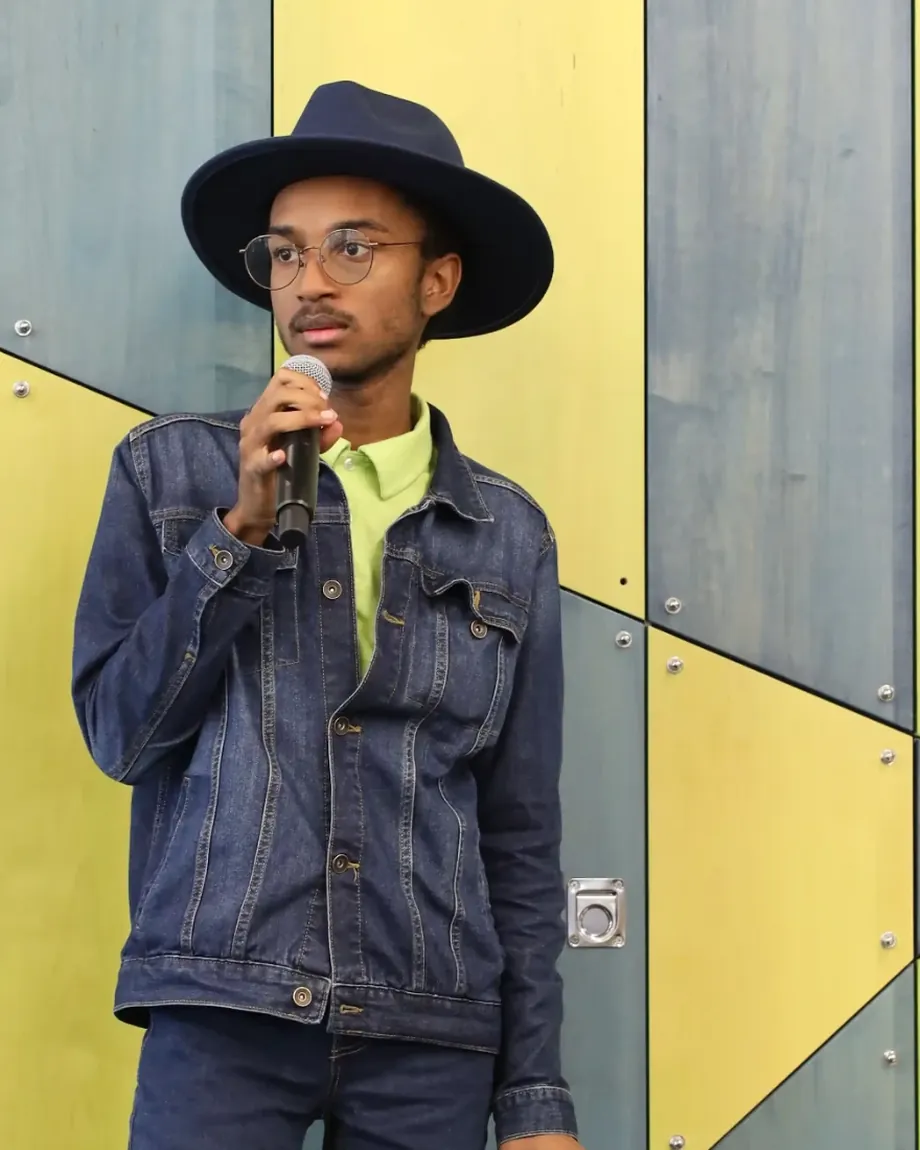
I’m Zaki Hutchinson. I’m building a practice for early-stage founders, independent creatives, and small organizations, helping them investigate difficult questions: testing the assumptions underneath them, mapping the perspectives around them, and organizing what we find into something you can act on.
The kinds of questions this work is for
- You have an idea and some early interest, and you aren’t sure the interest means what you think it means.
- Customers keep asking for a feature, and you suspect the request is describing a different problem.
- You’ve gathered interviews, notes, or research, and it hasn’t come together into a clear picture.
- Your creative work has grown in several directions, and you need a coherent way to present or prioritize it.
- Your team disagrees, and each position seems reasonable from where its holder is standing.
- You’re choosing between directions and want the tradeoffs laid out honestly before you commit.
How I approach a question
I start by questioning what is being assumed, then look at who sees the situation differently and how those views relate. The aim is a clearer decision about what can reasonably be concluded, what is still uncertain, and what deserves testing first.
The people I’m building this practice for
- Early-stage founders
- Testing whether a venture idea rests on the assumptions you think it does, and what to investigate before building.
- Independent creatives
- Organizing a body of work, clarifying a direction, or finding a coherent way to present something complicated.
- Small organizations
- Examining a strategic or communication problem where the people involved see it differently.
- Incubators, accelerators, and entrepreneurship programs
- Research, founder support, program development, and educational work. This is one of the areas I most want to work in. My M.S. centers on research and the study of entrepreneurship, which is part of how I’m getting there.
- Research collaborators
- Interdisciplinary inquiry that takes comparison, evidence, and methodological limits seriously.
Advisory work, collaborations, and roles are different kinds of conversation, and the Inquiries page has a path for each.
What the practice rests on
Aspen Da’nee Advisory is a new, individual-led practice. Its foundations are academic research, entrepreneurship education, hands-on venture exploration, and a long creative practice. The Work page presents that evidence as it is, including a venture we discontinued before its pilot.
- Runway venture exploration Customer discovery that changed the proposition
- Honors thesis on improvisation Comparative research across three musical traditions
- Teaching and facilitation Entrepreneurship education
- ScilentSymphony Sustained experimental creative practice
Start with a conversation
If you’re working on a question like these, send a short note describing it as you currently understand it. We can decide together whether there is something worth investigating.